Showing posts with label food. Show all posts

Big City Living in Fiji

8/21/2015
photo 31 (2)Perhaps big city living is a bit of an exaggeration but if you spent as much time in French Polynesia as we have, and most of the rest of our time in places like Tonga, then Fiji feels extremely developed.

We found better marine supplies in Tahiti but then again, the French do love their sailing. Other than that, Fiji is more stocked than anywhere we’ve been by boat since Mexico.

We even have cellular internet in a large portion of the anchorages – cellular internet fast enough for video calls and uploading videos, and it’s cheaper than NZ!

photo 21 (2)As cruisers we spend half of our time trying to get away from civilization and then when we are away from civilization we drool about things we would like to have from the civilization we escaped – mostly of the food and drink variety, and occasionally things like movies and internet.

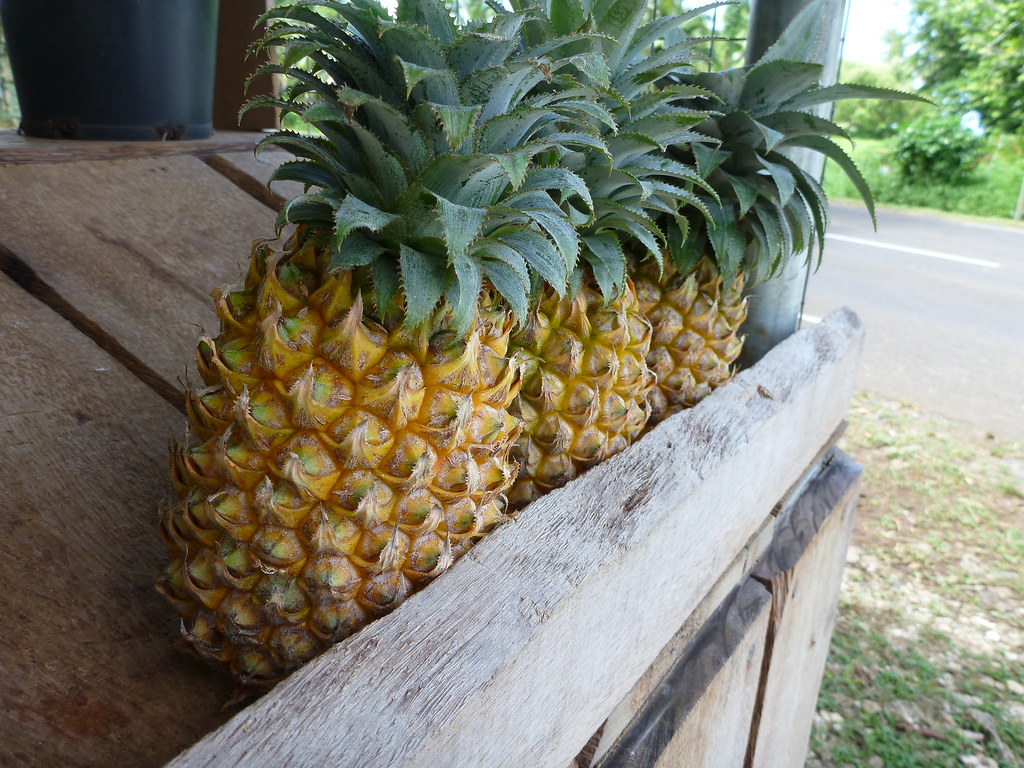
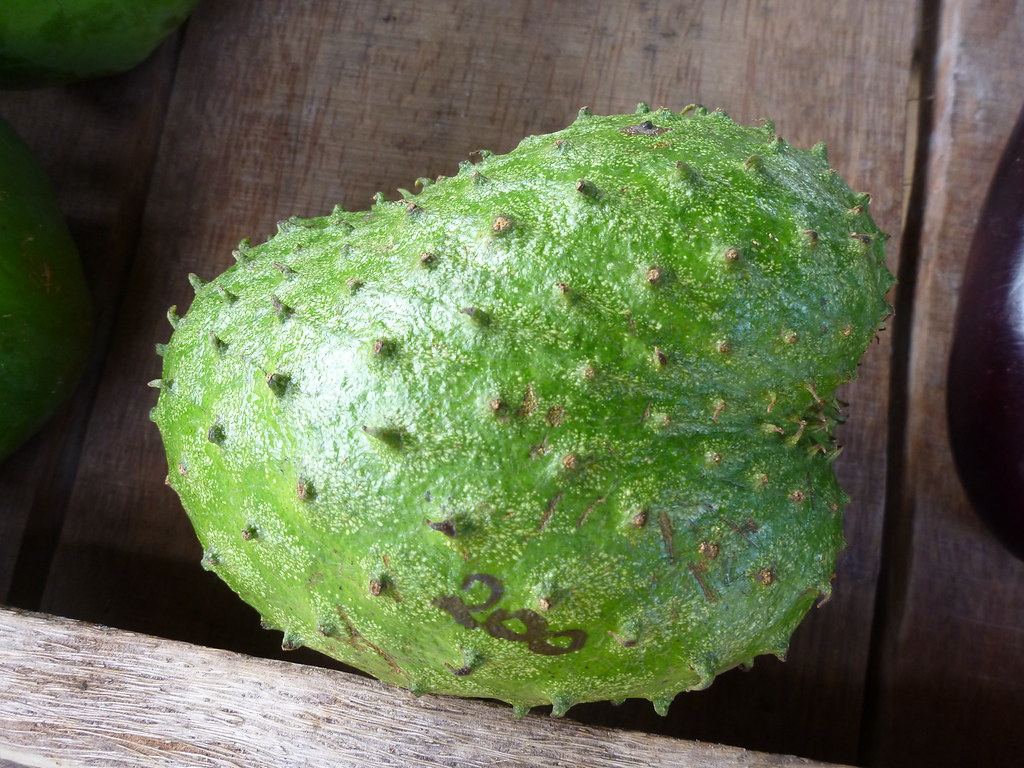
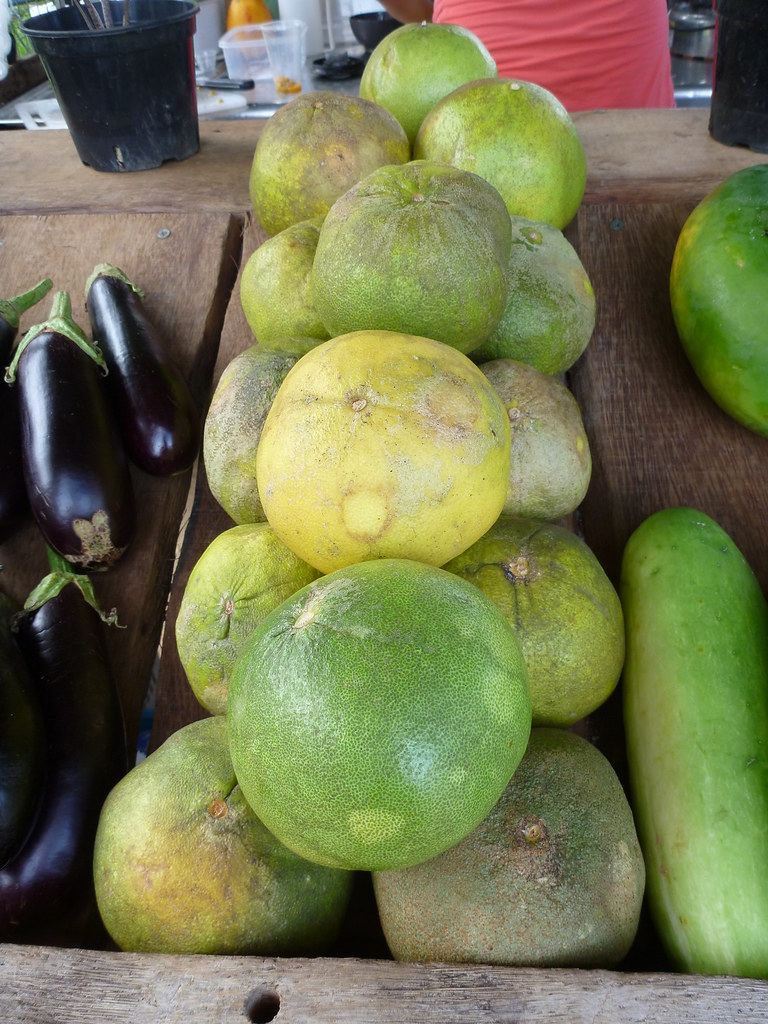
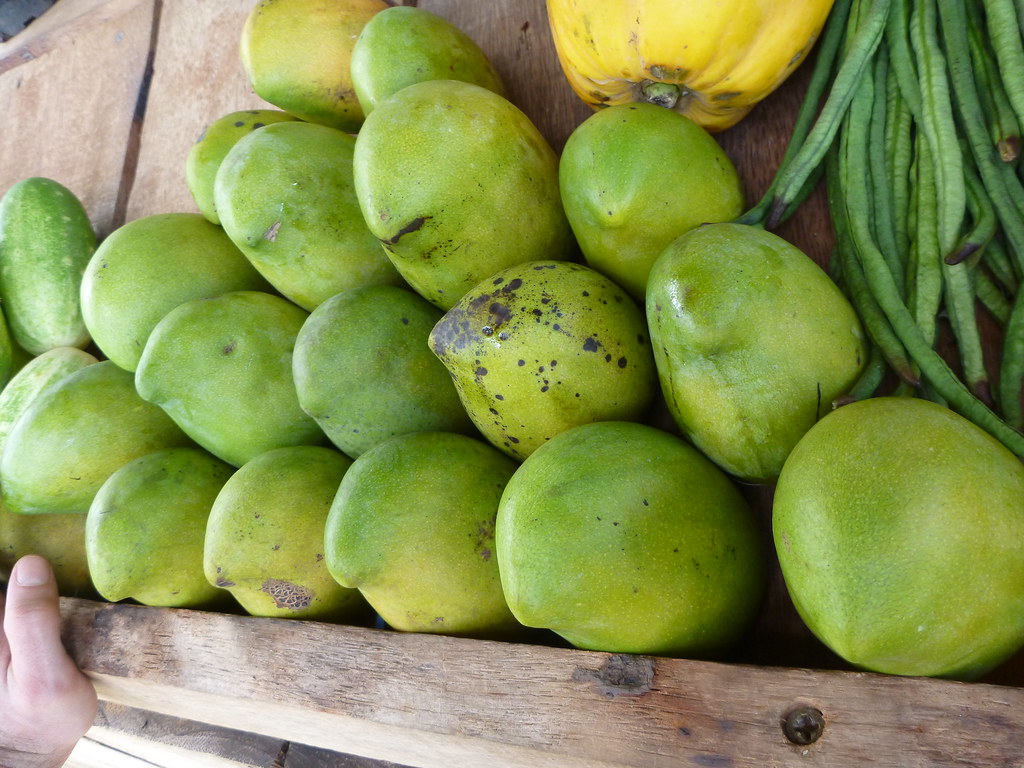
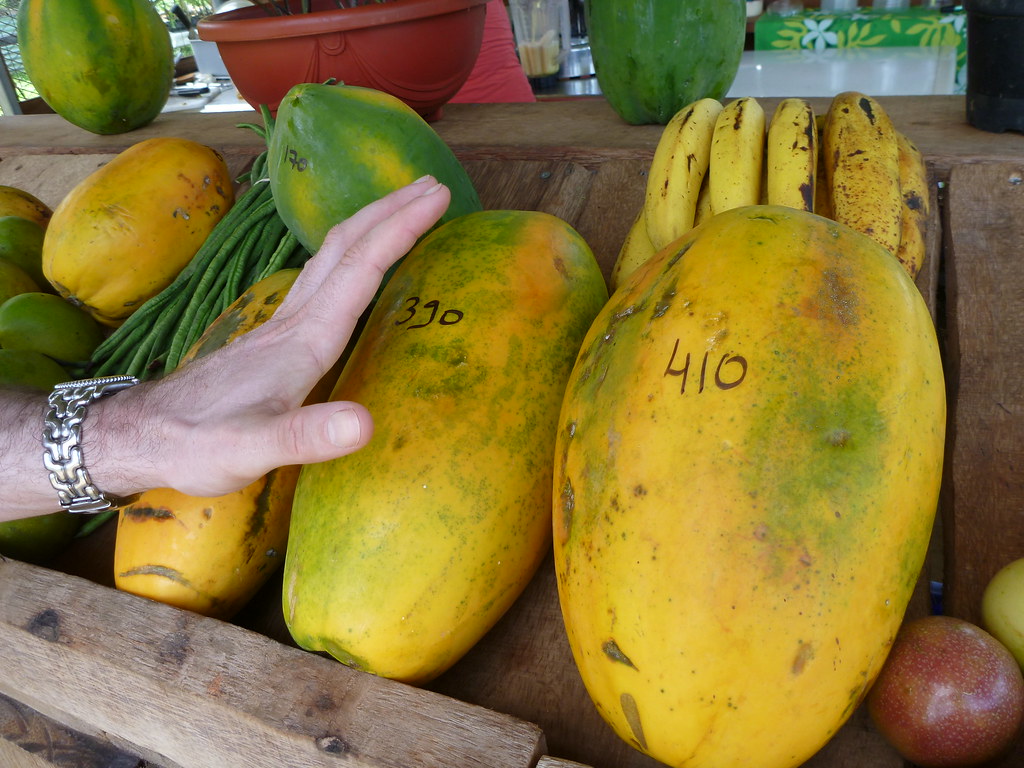
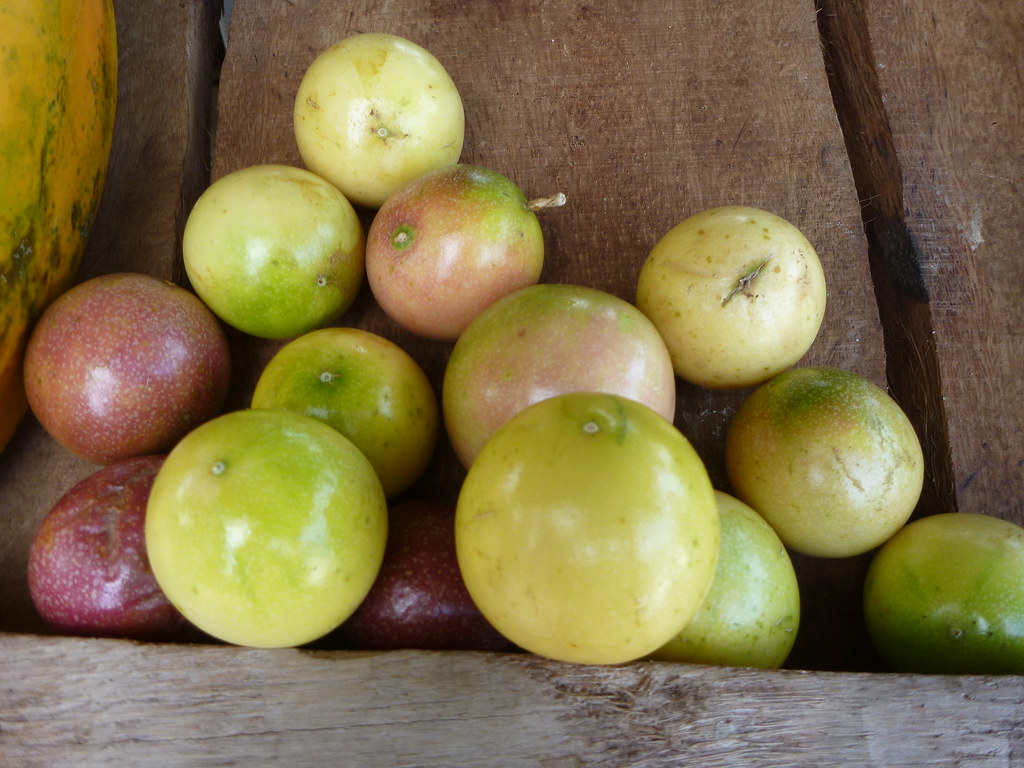
Comforts of big city living we’ve been enjoying in Fiji: cheap eating out including tasty Indian food, coffee shops and pastries, big fully stocked produce markets filled with local goods, butcheries full of tasty locally raised meats, and inexpensive medical and dental visits.

Of course, nowhere we’ve visited thus far has a supermarket as impressive as the ones in Tahiti. We are quite excited to see a Carrefour again when we get to New Caledonia! Oh, did I mention that we are headed there soon?

P1060529 (2)P1060535P1060531P1060534photo 41 (2)photo 51 (2)photo 11 (2)

Espresso aboard Estrellita

5/22/2015
Gear reviews on this blog normally involve boat related gear but I have to give a shout out to our 6 year old All-Clad manual espresso machine. No corrosion, no breakage, no reduction in quality – it just keeps working. Not only for our coffees but for those we make for friends in what we have affectionately been calling “Café Estrellita”.

P1050160We really enjoy having people over impromptu, in the middle of the day and it is nice to have something fancy, non alcoholic and relatively inexpensive to offer people who come aboard. With a stash of raw sugar and some UHT milk in a small glass jar, it is a small social production, a fragrant ritual that for this former Western Washingtonian, feels like home turf.

While buddy boating with some of our favorite people it got to the point where we would go on our shared VHF channel and simply say “Café Estrellita is open” and soon enough people would start stopping by. We even started keeping a stash of decaf for one friend who would come over with his own soy milk. If you don’t use it daily it would probably be annoying to store but we are happy to make room for it.

There are many pieces of actual boat gear aboard that I love, and a lot of toys as well, but if I had to go with my favorite piece of “home” it would be a tie between our thick memory foam mattress and this fancy but reliable piece of kitchen gear*.

*We paid about $100 which as coffee addicted working people felt reasonable. Unfortunately, it appears not to be manufactured anymore by All-Clad and the replacement mark is $178!

Liquid Motivation: Date Night

11/05/2014

IMG_0366 (2)Thank you Martin. Thank you Jeff & Paula.

Thank you for funding a much needed “fancy dinner” in town. I remember reading Lin and Larry Pardey’s books and how Larry would take Lin out for dinner on their first night in port as a break from cooking. We both cook on board but when we can, we still enjoy the treat. 

Compared to French Polynesia, eating out in Tonga is relatively inexpensive. It still isn’t necessarily cheap unless you search out the right local spots but it is much tastieIMG_0365 (2)r and less expensive in general than we have been accustomed to.

On a gorgeous sunny day we picked a spot overlooking the harbor of Neiafu, Vava’u, Kingdom of Tonga, ordered a glass of house wine, an appetizer and two tasty seafood dishes and had a slow meal while watching the sun go down. Martin, Jeff & Paula – you rock!

Liquid Motivation: More burgers and beer

9/15/2014

Burgers in Tonga

I know, it is like we are obsessed right? The moment we get back to “town” we want burgers (or something similarly heavy and meaty) and beer. As you can see by Carol’s three burger coated fingers in this photo, we don’t even slow down for the social niceties ;)

These burgers and beers were wolfed down at the Aquarium Café in Neiafu, Vava’u, Tonga, after two weeks of excessive kiteboarding with great enjoyment courtesy of Karen.

Thank you, thank you Karen!

Passage Report: French Polynesia to Niue – The Complicated Middle

8/13/2014

complicated middle

The area between French Polynesia and Tonga has been called “The Dangerous Middle” by one of the freely available online guidebooks (Mr. John's). This is, in large part, because of the unsettled weather in the region. We call it the complicated middle because there are a bunch of different weather phenomena at play in the region, each of which can occur without advance notice: fronts, the official South Pacific Convergence Zone, other convergence zones, etc. 

P1030942If a new system suddenly appears, it changes the forecasted movement and strength of the other systems. It’s a place to keep a weather eye, and to take seriously. A week after we made landfall in Niue, when we wanted to leave, there was 5m swell and 35+ knot winds in the region. We waited. Another boat stuck on passage during that system took damage to sails, solar panels, bimini etc. in squalls and oversized waves. Later that same week a small depression showed up suddenly on the weather charts. Within a few days it was over Suwarrow and they had 40 knot westerly winds in an anchorage exposed to that direction. Sadly, a boat was lost that night when their anchor tackle failed somehow*.

P1030947With this in mind, although we wanted to sail directly from French Polynesia to Niue, we set off from Maupiti with our bow pointed much further north than the direct line, at Suwarrow. Suwarrow was about 5 days sail from Maupiti which is about as long as you can trust a weather window. Further, there was a front passing south of Suwarrow when we left and so sailing north of the rhumb line would both allow us the option of stopping in Suwarrow if the weather went wonky and keep us above the squalls, wind strength and wind directional shifts associated with the front.

As we were closing on Suwarrow, we saw another front passing Niue and knew if we took a direct line we would pass through the front. Having experienced rough weather in an atoll before, we thought we would rather be at sea sailing to Niue than inside an atoll (e.g., Suwarrow) during the front (in hindsight, this particular front missed Suwarrow, staying south and so things were fine there). We sailed directly for Niue, experiencing strong NW winds, a squally night with unsettled wind, 6 hours of being hove to waiting for the front to pass overhead, and then “frisky” SW-then S-then SE winds. All of that was as expected and we flew the last few days into Niue, running fast and wet ahead of a decent swell.

All of this tactical maneuvering took a 1050nm passage**, added a bunch of miles sailed extending the passage to almost 10 days – but we we very happy with our 10 carefully chosen days of within limits sailing,. Another passage with nothing broken on our bodies or our boat – cheers to that!

*So far  this year we know two boats that have lost rudders, one that went aground, one that took shaft damage when a pearl farm line wrapped their prop, and the two boats described above. Oh, and the French Polynesian customs boat which ran aground on an atoll!

**This is our second longest passage sailed with only the Mexico to Marquesas run being longer.

Liquid Motivation: Heiva in Bora Bora

7/23/2014

P1030758

P1030745

Bora Bora is a great place to see the Heiva and we saw it here in 2012. When we were here in 2012, we noticed the fabulous restaurants they make, in temporary structures, decorated with local materials, weaving and flowers until the walls are groaning with decoration.

Thanks to David R and Carter B, we splurged on dinner and wine at one of those establishments before catching two song and dance performances at the main stage.

The beating of the drums, the harmonies, the intense emotion of the speeches in Tahitian and the solos – what a way to say goodbye to French Polynesia.

P1030753

Liquid Motivation: The Cost of Beer in French Polynesia

7/07/2014
P1020721I thought perhaps I could make this liquid motivation post informative as well as thanking Chris G for the cold frosty beers he was generous enough to buy us. Costs are from Mangareva, Gambiers in March 2014.

A 500ml Hinano (the big can) costs 350 Polynesia Francs which is approximately $4.12 USD. A 330ml Hinano (the “normal” can) costs 300 Polynesian Francs or about $3.88 USD. Of the cans, clearly the 500ml is the better financial (i.e., dirtbag) value. Of course, the better value is still incredibly expensive for the quality (ouch!). Good thing that our years in Victoria have accustomed us to spending more for beers than we did in Colorado Springs.

P1020792There is also a 750ml Hinano bottle which you can get in some locations, hit or miss in others, which requires a deposit if you don’t have bottles to exchange. It costs the least per liter, after the initial outlay of deposits, and is the best value if you have space to carry the bottles and if you are cruising in locations where you can swap them out. The Hinano big bottle also has the advantage of being reused.

However, it is a relatively large beer commitment for Carol and I because, outside of microbrew territory, I am a huge, huge fan of small glass of cold, carbonated, beer at the end of a hot sunny day of boat work, kiting, diving or whatever, but after the first glass the cold frosty deliciousness peters out and I am left with the fact that the beer is…not a craft brew.

With a 500ml Hinano can (see left), Carol and I can split a big beer in the cockpit with a sunset, or down below listening to an SSB net, before desalting and starting dinner prep.

Logbook: Fakarava (again)

6/04/2014

GOPR5223

P1030371Ahhhh…Fakarava. Having spent so much time in the area, with more time in Fakarava than any other atoll, it was a delight to try two new anchorages, both of which we loved as our last stops in the Tuamotus.

P1030281Hirifa, in the SE corner of Fakarava, about 5 miles from the S pass, was a kiteboarding paradise. Long sand spits for launching, almost no coral heads to hit, and we could anchor either in the protection of the motu or right by a sand bar to shorten our “daily commute”. Add to that, there is a NEW RESTAURANT in HIrifa, run by Liza and her family, who will make delicious meals for anyone with a little advance notice (the day before or perhaps the morning of). We were there for the opening (more on that later) and the feast was spectacular.

We also anchored not far from the N pass in Fakarava. The reef by the first marker as you are heading into the pass toward Rotoava had some excellent snorkeling and the beaches were long and sandy.

P1030544

Fakarava is a great place to have guests which we did for two weeks (again, more on that separately).

Invasion of the Pressure Cooker

4/28/2014

I think it is fair to say that most N American cruising boats have pressure cookers. We cruised for 3 years without one and have recently added one.

When we were preparing to cruise, the reasons that people gave for needing a pressure cooker just weren’t compelling to us. When we were reading it seemed like people recommended a pressure cooker primarily to save gas and to reduce heat in the cabin. We have a 20lb propane/butane tank as our main tank and a 5lb for the BBQ. We go 3 months between propane fills -- cooking three meals a day, coffee and tea, and baking whatever we like. We don’t have a problem with propane lasting a long time and in general our propane costs are very low compared to our gasoline and diesel costs. As for reducing heat, the only time we make a lot of heat with our stove is when we bake which we wouldn’t use the pressure cooker for, and pressure cookers aren’t heatless devices. In short, we didn’t buy one because we weren’t sold on the benefit and they aren’t cheap.

P1020786What convinced us to buy one? Well, first we found a used one very cheap, that didn’t hurt.

Second, faster dinner preparation. We realized how quickly we could cook large quantities of things that normally take a long time. In particular, we realized we could cook two favorite foods which we rarely cook because of the length of time they take: a whole chicken in 20 or so minutes and/or an entire pot full of whole potatoes in less than that. THAT was impressive and sounded like a game changer.

Third, we have found that we have cut costs a little with the addition of a pressure cooker. So far in our travels, we have found whole chickens to be regularly available and inexpensive and now that we have the pressure cooker we can take advantage of the low cost to buy two whole frozen chickens when at a grocery – cooking one right away and the second in a day or two when it defrosts. Now that we have a pressure cooker we also cook a lot more dishes with inexpensive dried beans than we used to which is a health gain as well as a financial gain. Plus, the ability to quickly cook beans opened up some dishes we enjoy but weren’t cooking (curried lentils, chilis, etc.).

You don’t need one to cruise – clearly – but there are me reasons to have one that weren’t articulated in anything we remember reading while prepping.

Yogurt on Estrellita

3/31/2014
After much interest on our part but not a lot of follow through, we finally got off our tails and learned how to make yogurt. I think what finally motivated us to do so was a friend (thanks SV Black Pearl!) saying that they made creamy, Greek style yogurt, on their boat, with powdered milk and water.

P1020776
The thought of tangy, thick, creamy plain yogurt coming out of the fridge when we have been anchored in an isolated area without a store for 4 weeks and are out of everything fresh, was too mouth watering to pass up.

It is ridiculously simple although it goes through a lot of powdered milk. We aren’t experts on yogurt and we certainly aren’t food safety experts so use your own judgment on that front. The following is what has worked a half dozen times for us. It reads a tad complicated the first time but it actually very easy to keep in your head after you’ve done it once.
  1. Take your starter out of the fridge. If you don’t have someone to grab starter from, you can buy starter packets in many grocery stores including Carrefour in French Polynesia.
  2. Take out your pressure cooker and arrange your various glass jars (with lids) until you can tell you have enough jars that will fit inside the pressure cooker with the lid shut, and will hold 2L of yogurt. Once you have a set of jars to use, you won’t have to do this again.
  3. P1020777Heat 500ml of water. I actually heat an entire kettle of water so that I have some to put in the pressure cooker at the end but you can use salt water for the second to last step. If so, heat salt water also.
  4. Mix 4 cups of powdered milk (we use whole) with 1.5 liters of cold water until all of the lumps are gone. We do this with a fork and it works just fine.
  5. Mix in the 500 ml of hot water.
  6. Test the mixture. It should be nicely warm but not hot for your finger. If it is too hot, let it rest until its right.
  7. Mix in the starter until there aren’t lumps.
  8. P1020778Ladle the mix into the jars. Ladle from the bottom of the mixing bowl and put one scoop in each jar until you’ve done every jar. Continue making passes across the jars until they each become full. The starter might settle to the bottom and this way you’ve spread the starter out into all of the jars.
  9. Put the jars in the pressure cooker. Test the extra hot water and make sure it is the same warm-but-not-hot temperature as before. If not, mix with cold until right, then add the water to the pressure cooker. I haven’t found it important to cover the jars – you are just trying to keep the temperature up.
  10. Put the lid on the pressure cooker. Wrap it in a towel. Put it somewhere out of the draft, sun, heat. I set it on the floor or seat in the extra cabin.
  11. Let rest 12 or so hours. Put in the fridge. When you eat it, you may need to drain a small amount of water out.
We put it into small bowls and add a spoonful of jam and a handful of muesli. It is excellent with homemade lemon syrup as well. And it’s great savory style -- we have been adding garlic and onions (and cucumbers when we have them) and using it as a dip/spread when we make flat bread and lentils or something similar.

Don't forget to reserve a jar (a cup or more) for the starter for your next batch!

Liquid Motivation: Trois Brasseurs

2/28/2014

image_3I’m embarrassed at how behind I am on our liquid motivation posts. This one is from TAHITI for goodness sakes! I could blame the storm, the haul out, or the passages, but it is really because I’ve been lame.

While we were in Tahiti, working our arses of at our haul out, we were a short walk away from the only place in Tahiti that brews something resembling a microbrew – Les Trois Brasseurs. This is the same cold deliciousness that is served at the Dinghy Dock Pub by the large marina in Tahiti which we have also sampled.

image_2Well, thank you Dana G for a round of cold ones at the Dinghy Dock Pub. And just to prove that we have firmly internalized the frugal values of the CFSA, we provide proof that we went at the two for one special and were able to get 4 (yes, *4*) beers in Tahiti (where beer is so not cheap).

image_1And thank you, thank you, Gary B, for the opportunity to stuff ourselves with burgers and pizza* (and beers of course) at the Trois Brasseurs main location in downtown Papeete, Tahiti.

On a cruising budget, eating out in Tahiti is not something we can treat ourselves to often. We enjoyed every single bite and those calories went to good use in the several weeks of boatwork (which is also on my blog catch up agenda).

*Incidentally, what is with cruisers and our obsession with finding burgers and/or pizza after landfall. Neither Carol or I were huge burger eaters but man-oh-man do we crave them when we arrive in a "city”.

Our Ciguatera Strategy

2/19/2014

P1020504


P1020522
As already mentioned, the only way to be certain to avoid ciguatera is not eating reef fish or predators of reef fish.

We spear fish because it is fun, good exercise, something to do with people we meet ashore or on the water, and really cuts our grocery bill when successful.

It’s a comfort level with risk that each person has to decide on individually. We decided that we were comfortable with the risk of ciguatera from eating reef fish under certain conditions.

In French Polynesia and the Cook Islands we have been following these guidelines in hopes of minimizing our risk:

Ask two separate people which fish are safe to eat. If there is disagreement on a fish, don’t eat it. At least one of those two people must be a local. P1020523The other can be a cruiser if they have been in the area for a  long time. If the person makes their living from selling fish or serving fish in a restaurant, they are excluded.

If we move to a different area of the atoll, ask again. Fish that are safe in one area of the atoll aren’t necessarily safe in another area of the atoll.

We don’t eat larger sizes of any species. When asking around, ask for a good size.

Use a picture book to eliminate confusion about species. The addition of a waterproof flip book of local species has been a big step forward in our spear fishing knowledge. We keep it with us when snorkeling or fishing and can use it to point to when discussing fish with other people. Our book has the French, Tahitian and English names of each fish. Although it doesn’t have every single fish in it, it has the main species and provides a starting point for description. We found ours at a local dive shop although you can find similar plasticized fish guides for this area online.

The first time we eat a species in an area of an atoll, eat a small portion. We might cook the whole fish but eat half a filet and save the rest for the next day. The idea is that if the fish is toxic we might experience mild symptoms rather than intense symptoms.

Ume Tarei in reality, and in the picture book:

P1020519P1020520

So far, we haven’t had ciguatera, but we are taking a risk. We’ll let you know if things change…

The Fruits (and Vegetables) of Saying Hello (and Asking Permission)

1/27/2014

Since we started cruising, I’ve had a difficult time getting up the nerve to row up to someone’s property, beach our kayak or dinghy, and say hello. For whatever reason, I have this preconceived notion that I will be bothering them, or invading their privacy, or in some way disturbing their peace. Carol, of course, has no problem doing this.

I know that in future countries we will be expected to row ashore and greet the local bigwigs or officials at every anchorage, and it is easy for me to do so when I know that is “the rule”, but so far, in Canada, the US, Mexico, the Cook Islands and French Polynesia, it isn’t required.

Still, it is polite and so I’ve been forcing myself to overcome my mild anxiety.

Of course, as it turns out, most of the people we have introduced ourselves to are living in remote places and welcome the occasionally company. We have never, not once (yet), had a negative interaction after rowing ashore to say hello.

P1020481In fact, the general problem, if you can even call it a problem, is that the hello often turns into an invite for more than a quick greeting and introduction.

We have been invited to have coffee, try smoked salmon and visit and learn about the salmon smokehouse. We have rowed to shore, wearing rash guards and board shorts, on our way to snorkeling, and ended up sitting down for a BBQ (in our ridiculously inappropriate outfits, which of course no one minded). Just a few days ago, we paddled to shore to say hello, ended up with a tour of the property, an invite to go spear fishing the next day and came back with our hats full of fruits and vegetables.

The same vibe applies to asking permission. In French Polynesia, we ask someone for permission to do almost everything if there is someone there to ask. We didn’t start out by doing this, but have gradually come to feel over time that it is our best chance both making friends and of avoiding making a social mistake in a new culture.

Usually, in French Polynesia, the person we ask seems surprised we are asking, says it is no problem, and goes out of their way to help us do whatever it is. For example, if we see someone on the dock, we ask if it is OK to put our trash in the public bin. They usually look confused, smile at us, and say “of course”. Then we ask if they know where we can get a propane tank and they end up driving us to their house, selling us one of theirs (at the same price as the store that is out) and driving us back to the dinghy so we don’t have to carry the tank.

However, *occasionally* we ask something similarly innocuous and learn that if we had done what we intended we would have been making a mild mistake. For example, we have also been told (about trash) “yes, of course…but maybe instead of that small can it is better if you use the big bin over at the town hall” ..and then been given a ride (with our several bags of trash) to the town hall, and back to the dinghy, chatting and learning about the island all of the way.

So, I will continue to be brave, and say “hello” and with sign language or words, ask permission.

Liquid Motivation: Lunch and Tahitian Wine

9/24/2013

Yep, wine made in French Polynesia (see below).

We don’t eat out very often in French Polynesia because of the expense. We have found some cheap eats (e.g., the casse croute) but otherwise we save our going out budget for ice cold beers (also expensive) somewhere where we can enjoy a different view than from our cockpit. Funny enough, one of our favorite things is to have the beers at a bar that overlooks the anchorage. Something about seeing your home floating in paradise makes the beer tastier.

PhotoGrid_1378355446879A very VERY big thank you to Ronald C. who sent us a Paypal donation and funded not only a much needed and appreciated feast onshore at a great “snack” (small outdoor cafe in French Polynesia) called Chez Lili but also enabled us to sample some locally wine which had been previously out of the range of our cruising budget. We were so excited to be eating out at Chez Lili that we split in half and inhaled the curried mahi mahi burger and ate half of the tuna carpacccio before I remembered to snap a picture! If you visit Rangiroa, Chez Lili is delicious, the fish perfectly prepared and the owner Lili is a riot and worth the visit herself.

IMAG0021After the snack we picked up a bottle of Vin de Tahiti, Blanc Sec (2008) made right here in Rangiroa, the Tuamotus, French Polynesia. Even though we were slightly afraid (I mean come on, atoll wine??) we very much wanted to taste and to support the local vintage. With the last of Ronald C’s donation supplemented with one from my Mom (Love you Mom!) we bought and chilled a bottle, broke out the fancy glasses and the contraption we’ve been calling a cockpit table and watched the sunset.

We were extremely surprised to love the wine. The tasting notes talk about the influence of the minerals from the coral rubble on the terroir. I tasted flowers and honey (without the corresponding sweetness). An unexpected find, unfortunately a little out of our normal price range. Of course, when we were still DINKs (dual income, no kids) we had been known to sleep in our car on a road trip to save money but buy a case of expensive-for-us wine on the same trip. Priorities!

Fish Slayers

5/29/2013
P1000334

P1000319It’s been way too long since we’ve had fishing photos on this blog.

Carol speared a fish with a simple pole spear last year but this year we have a borrowed spear gun aboard and he has become a fish slaying machine.

We only kill what we can eat (of course) and we have a wee freezer (remember the freezer in a dorm room fridge? not far off.) so we are careful about what we take. There is a type of fish poisoning in this area and so you have to check carefully with locals to find out island-by-island what is safe to eat. Sometimes one fish is safe on the North side of an island but bad on the South side and sometimes the locals make their own mistakes as previously safe fish becomes poisonous over time.

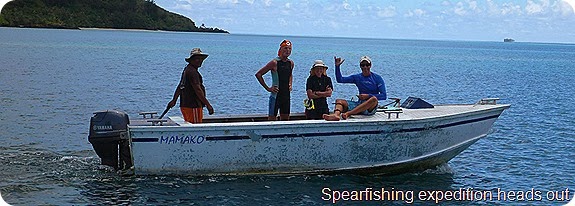
P1000357With that in mind, we’ve been happily hunting. And I say we, because I have recently joined the ranks of women who spear fish. Woohoo!!

Having had more free diving practice this year I was excited to try loading and shooting the spear gun and even more excited when my first shot garnered a perfect eating-sized marbled grouper just off of our boat. We cooked it immediately on the beach over a coconut husk fire and the thrill of the kill made it more delicious.

I’m interested in trying more hunting although only in areas where the sharks are less frisky. Our friends spear even in the sharky areas and I’m definitely not ready for that.

P1000384P1000312 

P1000321

Mega Groceries in Tahiti

3/22/2013
VIDEO FRIDAY

Can you find what you need in French Polynesia? Carrefour (and other mega-groceries) in Tahiti are enormous grocery (and everything else) stores. There are at least a half dozen in Tahiti and I know at least two other Society Islands that have large (but not mega) groceries as well (Raiatea and Bora Bora).

Here is a peek inside the non-food side of the Carrefour near Marina Taina in Papeete:


If you can't view this video try going to our channel directly to find it.

Cruiser Cheap Eats in French Poly: Casse-Croute

3/20/2013

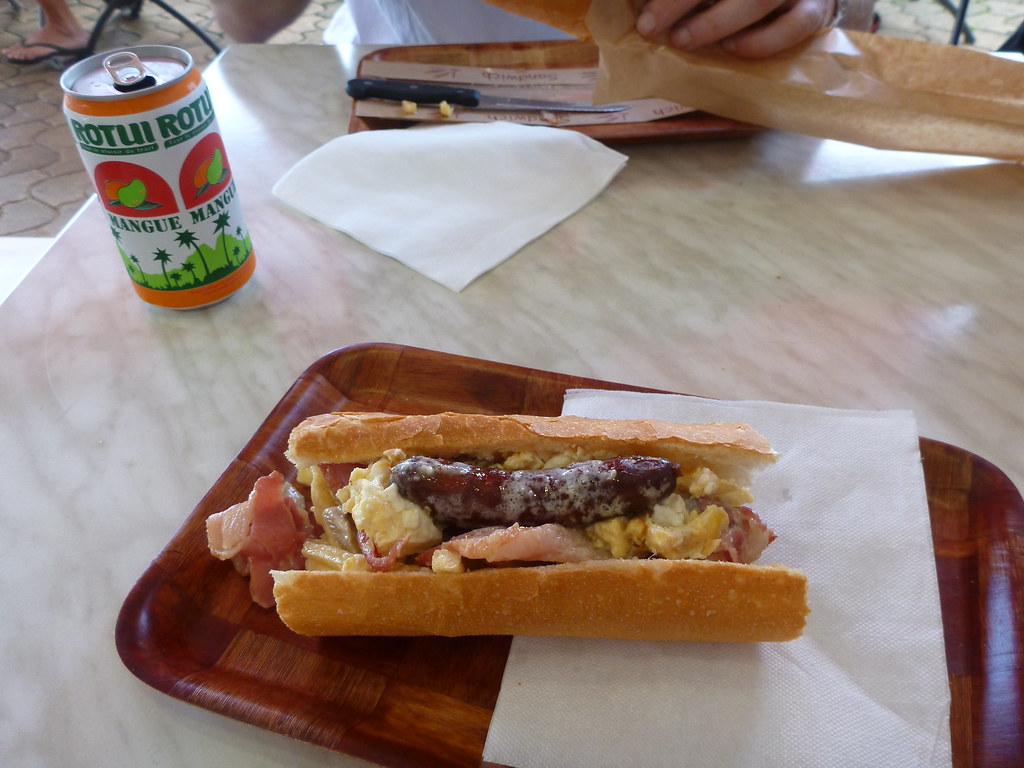
There are 4 kinds of meat on this sandwich, plus eggs. It is stuffed with french fries and has rocquefort (cheese) sauce. Oh, and I should mention that this is *half* of the normal sandwich because Carol and I split one.

Welcome to the land of casse-croute, sandwiches French Polynesian style.

Half a baguette loaded with goodies, fries included and placed on the inside.

You can find them at almost every snack (small eatery) and they are generally less than 500 polynesian francs (< $6USD). Also, as you can see, unless you have a serious hunger going on, you can usually share.

LIQUID MOTIVATION

Click on the dollar and buy Livia and Carol a cold frosty one:

DON'T MISS A POST

Enter your email address:

Delivered by FeedBurner

INSTAGRAM

RANDOM POSTS